Learning about Prescott Valley: A Complete Neighborhood and Lifestyle Guide
Learning about Prescott Valley means exploring a town where new construction, safety, and resort-style amenities intersect with vast open skies and a genuine community. Whether you want master plan conveniences, large acreage lots, or a quiet foothill retreat with immediate access to state land, Prescott Valley delivers a range of lifestyles in one accessible region of central Arizona
Local Prescott Valley Expert
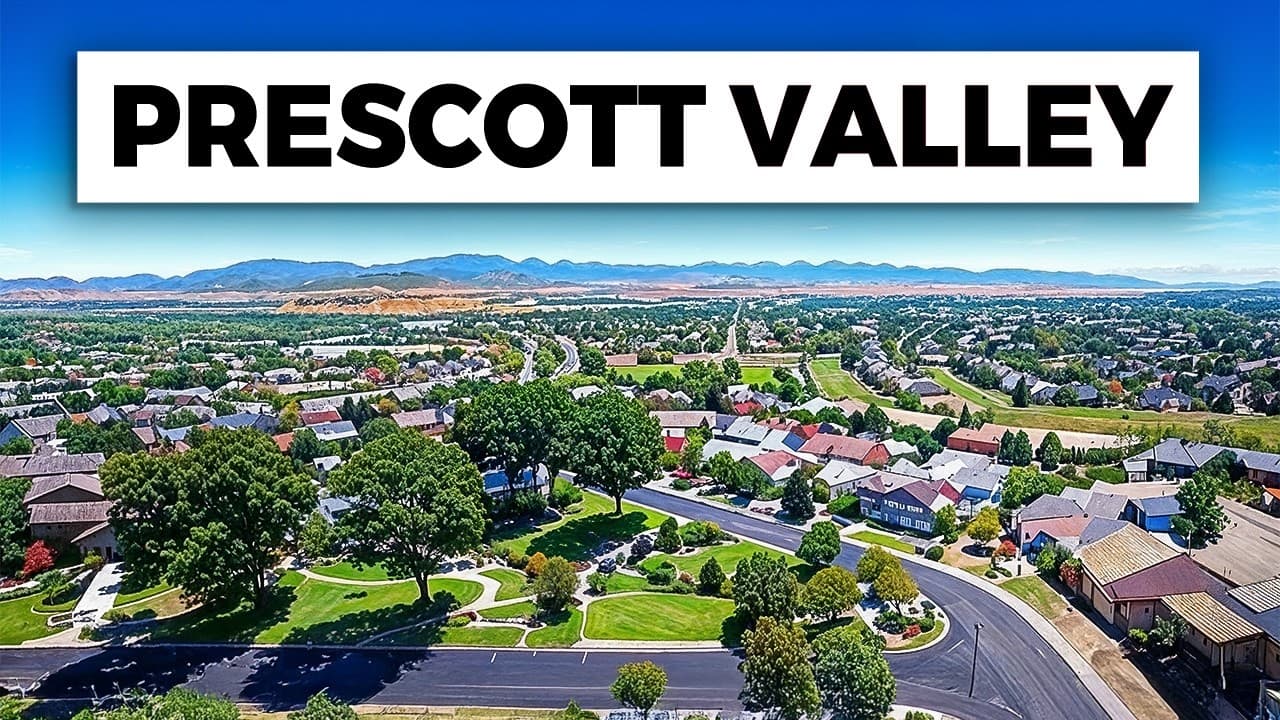
Learning about Prescott Valley: A Complete Neighborhood and Lifestyle Guide
As locals who guide people relocating to this area, we break down the neighborhoods, amenities, and lifestyle trade-offs so you can decide where you might want to plant roots. This guide covers the core neighborhoods, the local conveniences that make daily life easy, and practical tips for buying here, so you get both the feel and the facts when learning about Prescott Valley.
Quick orientation: Where Prescott Valley sits and what to expect
Prescott Valley, northeast of Phoenix, serves as a suburban hub for those who value a quieter pace while still seeking modern conveniences. The central corridor—Glassford Hill Drive—functions as the town’s commercial spine. Most big-box retailers, entertainment venues, and newer restaurants are clustered along that corridor, making grocery runs and dining out surprisingly convenient.
 Prescott Valley gateway arch over Glassford Hill Drive against a deep blue sky, with road and sidewalk visible.
The Prescott Valley gateway arch on Glassford Hill Drive, marking the town's commercial corridor.
Driving in from the south, you’ll notice a clear difference between Prescott Valley’s newer suburban core and downtown Prescott’s historic Whiskey Row charm. Prescott Valley leans toward contemporary suburban planning: mixed-use developments, master-planned communities with clubhouses and pools, and convenient shopping centers near residential neighborhoods.
Why people gravitate here: the three pillars
When learning about Prescott Valley, three consistent themes show up in conversations with new residents and long-time locals alike:
Safety: Prescott Valley consistently ranks among the safest towns in the state, making it attractive to retirees, families with children, and anyone seeking peace of mind.
New homes and amenities: The town has a steady stream of new construction, including master plan communities that deliver on recreation and ease of living.
Outdoor access: Trails, state land, and nearby geological features provide abundant outdoor recreation opportunities from hiking and mountain biking to horseback riding and off-roading.
Combine those pillars with reasonably short drives into Prescott proper and a growing events calendar, and you quickly see why folks relocate here.
Town center and shopping: convenience in one place
The Glassford Hill corridor is the commercial heartbeat. Here you’ll find the Prescot(t) Valley Town Center, anchored by a large movie theater, restaurants, retail stores, a grocery anchor (a Kroger-brand store known locally as Fry’s), Kohl’s, and a Walmart Supercenter. Mixed-use projects are under construction and planned to add additional retail and residential density to the corridor.
 Intersection view on Glassford Hill with active traffic, construction fencing and apartment complexes.
Glassford Hill intersection captured while traffic moves through — shows mixed-use development along the corridor.
More than just shopping, this corridor hosts a large event venue—the Finley Toyota Center—which seats over 12,000 people and stages everything from national headliners to family shows. Surrounding hotels (including extended-stay options and newer brand hotels) serve visitors drawn by concerts, fairs, and sporting events.
For everyday life, this means grocery trips, a movie, or a date night can all happen within a short drive of many neighborhoods. If you like convenience, you’ll appreciate the walkable pockets and the way shopping is concentrated rather than scattered.
The civic heart: library, parks, and community events
Prescott Valley’s modern library and civic center anchor community life. The library is more than books—it’s a community space with a beautiful children’s area and public programming. The civic lawn hosts seasonal events, including an annual patriotic display and memorial installation where thousands of flags are placed in remembrance, and names can be found on placards.
 Interior children's section of the Prescott Valley library with low shelves, display table and warm wood ceiling.
The library's children's area — a bright, welcoming community space.
There are sidewalks and walkable paths in many parts of town, and community events are well attended. If you’re evaluating a move and want both small-town gatherings and organized civic programming, Prescott Valley’s calendar delivers.
Healthcare and essential services
Medical services are clustered in a medical hub that includes a local Dignity Health hospital, birthing center, rehabilitation facilities, and a range of specialists. For families or anyone with healthcare concerns, having a regional hospital and specialty care close by is a significant convenience.
Behind the scenes, the region also houses testing facilities and labs that support home inspections and well-water testing for buyers who choose properties on private wells. That makes the home-buying process for rural or acreage properties considerably smoother.
Glassford Hill and regional parks: nature and future plans
Glassford Hill—an old dormant volcanic feature—defines part of Prescott Valley’s skyline. The town and adjacent city acquired the hill and plan to convert it into a regional park with expanded trail systems and protected open space. There are ambitious ideas on the table, ranging from additional hiking trails to chairlift access to the summit for panoramic views. Town planners are deliberate: development will be capped to protect natural character, so if views and outdoor access matter to you, this preservation-minded approach is a plus.
 Panoramic hilltop view of rocky dells, lake and distant mountains near Prescott Valley
Hilltop panorama showing rocky dells, the lake and distant mountains — the kind of view Glassford Hill’s regional park will protect.
Neighborhood deep dive: four places to see for yourself
While Prescott Valley offers diverse housing options, some neighborhoods stand out depending on your lifestyle preferences. Below are four neighborhoods that showcase the range of possibilities—from acreage privacy to resort-style master plan living.
Stone Ridge: a golf community with family-focused amenities
Stone Ridge is the town’s primary golf-focused community. It’s a master-planned neighborhood with an 18-hole public golf course, clubhouse, indoor and outdoor pools, fitness facilities, and a range of home styles, from townhomes to larger custom houses. The community even allows golf cart use within the neighborhood, making local trips to the clubhouse or a neighbor’s house feel effortless.
 Curving landscaped entry road with central island, sidewalks and mountain backdrop
Landscaped entry road and sidewalks with unobstructed mountain views.
HOA dues vary by product type, generally averaging around $85 per month, with gated sections higher and some townhome units priced differently. Stone Ridge backs up to the national forest in places, offering excellent hiking and natural views while still keeping you close to shopping and restaurants.
Copperfield: four-acre minimum custom lots and wide-open skies
Copperfield represents the acreage lifestyle inside Prescott Valley. Lots start at a four-acre minimum, providing separation and a sense of “Big Sky” living—excellent night skies and a sense of privacy. It’s a relatively new neighborhood built on former ranch land, and the community permits shops and outbuildings, including metal buildings on many lots—something not all HOAs allow.
Despite the rural vibe, Copperfield sits just minutes from the Glassford Hill corridor and the town center, so you get both large-lot tranquility and convenient access to town amenities. Many residents choose selective landscaping near the home to keep maintenance manageable while preserving natural vegetation elsewhere on the parcel.
Saddle View: access to state land and a real outdoor lifestyle
Saddle View is one of Prescott Valley’s best-kept secrets. It’s an acreage community with a 2-acre minimum and a strong outdoor culture. The community shares edges with Arizona State Trust land, so trails and wide open riding or off-roading access are basically at your doorstep—perfect for riders, off-road enthusiasts, hikers, and long-distance trail runners.
HOA fees are set per acre and are very reasonable for the maintenance they provide—private roads, mailbox upkeep, and community services are covered. Expect a tight-knit neighborhood that organizes rides, annual picnics, and outdoor events, and be prepared for open-range signs and the occasional cow crossing the road—this is part of the rural charm.
Jasper: the resort-style master plan
Jasper is arguably the area’s most distinctive master plan community. It’s built with modern architecture, extensive trails (including direct adjacency to the Iron King Trail), and a cutting-edge clubhouse they call the J Club. Amenities include multiple pools, a top-grade gym, dog parks, courts for pickleball and bocce, and an on-site restaurant and bar.
 Modern clubhouse building with outdoor seating, patios and landscaped forecourt at a master-planned community.
The Jasper clubhouse and outdoor seating — the J Club-style amenity that defines resort living.
Living in Jasper can feel like full-time resort living. There are two notable monthly fees: HOA dues (about $150 per month) and an optional J Club membership (about $177 per month), which unlocks clubhouse privileges. For many residents, the combined package is worth the price for access to advanced fitness tools, social events, and top-tier landscaping throughout the neighborhood.
Jasper also markets eco-conscious features—solar-ready homes, sustainable materials, and landscapes that reduce water use—appealing to buyers who want modern building practices in a desert environment.
Connectivity and commuting
Prescott Valley is connected via Highway 69 and the outer loop Highway 89A. The 89A provides a quick route to downtown Prescott (the courthouse square) and offers straightforward access to higher-elevation day trips, such as Jerome via Mingus Mountain. Average drive times to downtown Prescott from many Prescott Valley neighborhoods are around 15–25 minutes, depending on where you live.
For frequent travelers, the 89A also connects westward toward the regional airport corridor. If you commute or like spontaneous day trips, the road network is typically easy to navigate and avoids the heavy congestion of metropolitan commutes.
Outdoor recreation: trails, state land, and regional parks
One of Prescott Valley’s biggest draws is access to outdoor recreation. The Iron King Trail provides about 17 miles of multi-use paths, connecting neighborhoods to scenic lakes and the base of local hills. State land borders many communities, offering virtually unlimited access for hiking, horseback riding, or off-road exploration.
 High-quality panoramic view of rocky dells and a lake with distant ridgelines and warm evening light near Prescott Valley.
Rocky dells and lake panorama — the scenic character the regional park will protect.
Glassford Hill and the Dells region are beautiful for hikers and photographers. Future park development plans aim to enhance trail networks and protect the natural character of these features. If getting outside daily matters, Prescott Valley offers a wide variety without long drives to reach open country.
Shopping, dining, and local flavors
Dining in Prescott Valley ranges from national chains to local favorites. You’ll find casual cafes, locally owned Mexican and Italian restaurants, and a surprising sushi scene. Small neighborhood centers—especially in the north part of town—feature local staples alongside convenience stores and family-run eateries, giving each area its own flavor.
For grocery shopping, the major anchors (Fry’s, Walmart) cover full-service needs, and specialty items are available in nearby Prescott or via occasional local markets. For weekend farmers markets, arts and crafts fairs, or live local music, the town center and adjacent plazas frequently host events that bring the community together.
Schools and family life
Families move here for a mix of safe neighborhoods and community offerings. Local high schools and elementary schools are neighborhood focal points, creating a small-town, community-first feel. Bradshaw Mountain High School, for instance, is near several neighborhoods and is a hub for local athletic events and performances that many residents attend.
Master-planned communities often include playgrounds, community pools, and organized activities for children; acreage communities frequently offer more space for outdoor play. Consider which environment best fits your child’s needs—structured community social life or rural freedom—when evaluating options.
HOAs, utilities, and real estate realities
Understanding HOA rules and utility setups is essential when buying in Prescott Valley. Here are a few practical points to keep in mind:
HOA variability: HOAs range from minimal fees in older, lower-service subdivisions to substantial dues in resort-style communities. Read the HOA covenants carefully: restrictions on outbuildings, animals, exterior colors, and water use can vary significantly.
Well and septic vs. city utilities: Acreage properties commonly use private wells and septic systems. Many master-planned neighborhoods use municipal water and sewer services. Well testing is routine when purchasing acreage; the local Bradshaw Mountain Laboratory handles many such water quality analyses.
Builder sales offices: If you pursue new construction, consider using a buyer’s agent. Sales centers represent the builder, not you, and experienced local representation can negotiate upgrades and terms on your behalf.
How to evaluate neighborhoods when learning about Prescott Valley
Choosing the right neighborhood depends on lifestyle priorities. Use this checklist as you tour options:
Define your top three non-negotiables (for example: safety, trails access, low HOA fees).
Compare commute times to the places you’ll visit frequently (work, healthcare, family).
Ask about future development near the lot—preserved views versus potential construction.
Confirm utility sources (well/septic or municipal) and associated maintenance responsibilities.
Review HOA documents for restrictions and budgeted capital projects.
Knowing what you want helps narrow choices quickly. For instance, if you want lock-and-leave convenience with resort-style amenities, a Jasper-style community will be a better fit than an acreage property that requires regular property maintenance.
Costs and trade-offs: what to expect
Prices and ongoing costs vary widely across Prescott Valley. Master-planned communities often charge higher HOA dues but provide bundled services such as landscaping, trash collection, and community maintenance. Acreage living offers more privacy and lower routine dues in some cases, but expect additional costs for healthy maintenance, septic pumping, and larger property upkeep.
Here’s a quick breakdown of trade-offs:
Master plan communities: Higher upfront cost and monthly dues; low-maintenance yard care; abundant amenities; higher resale demand for specific buyers.
Acreage communities: Lower day-to-day HOA costs in some neighborhoods; greater privacy and space; more responsibility for land maintenance and utilities.
Golf and resort communities: Access to course play and clubhouse life; HOA dues often reflect specialty maintenance for greens, pools, and common areas.
Community culture and social life
Prescott Valley’s social fabric comprises retirees, families, remote workers, and outdoor adventurers. Social life often centers around community centers, church groups, recreational clubs (pickleball, golf, mountain biking), and volunteer opportunities. Many neighborhoods organize block parties, seasonal barbecues, and charity events that build a neighborly atmosphere.
If social interaction is essential, look for neighborhoods with active community calendars or a clubhouse that hosts events year-round. Jasper, Stone Ridge, and Granville are powerful in organized social programming.
Top reasons people choose Prescott Valley
When people ask about learning about Prescott Valley, they usually want to know the “why.” Here are the most common reasons new residents choose this town:
Everyday convenience: Concentrated shopping, grocery access, restaurants, and significant events make daily life straightforward.
Safety and community: A reputation as one of Arizona’s safer towns provides peace of mind for families and retirees.
Outdoor lifestyle: Trails, state land, and preserved hills put nature and recreation within steps or a short drive from many neighborhoods.
Varied housing options: From four-acre lots to resort-style neighborhoods, there’s a fit for different budgets and life stages.
Accessible healthcare: Local hospitals, specialists, and a complete medical hub make life easier if you need frequent care.
Practical tips for prospective buyers
For anyone learning about Prescott Valley with purchase intent, here are practical steps that help make a smart move:
Rent first if unsure: Consider a short-term stay in an Airbnb or hotel to test the commute, climate, and local rhythms.
Bring a local agent: New-construction sales centers work for the builder. Having a buyer’s agent protects your interests and can reveal incentives or negotiation room you might miss.
Inspect wells and septic systems: If you’re on acreage, request water quality and system inspections early in the process.
Compare HOA rules: HOA covenants matter. If you want animals, shops, or certain exterior freedoms, ensure the HOA permits them.
Ask about future development: Learn what’s planned near your prospective home to protect views and long-term value.
Snapshot: neighborhoods by lifestyle
Use this quick mapping to match general lifestyles with neighborhoods:
Active resort life: Jasper, Granville
Golf & family amenities: Stone Ridge
Acreage & privacy: Copperfield, Saddle View
Walkable convenience: Prescot(t) Valley Town Center area
Final thoughts on learning about Prescott Valley
Learning about Prescott Valley reveals a community that blends modern suburban conveniences with a strong connection to the outdoors. From golf course clubs and resort-style master plans to quiet acreage neighborhoods that open onto state land, the town offers a variety of options for different life stages and priorities.
If safety, easy access to everyday shopping, and abundant outdoor recreation rank highly for you, Prescott Valley is worth serious consideration. Many buyers find that a short test stay, paired with in-depth neighborhood tours, clarifies which mix of amenities and lifestyle works best.
For those relocating to Prescott Valley, keep these core questions in mind as you explore: Do you prefer a lock-and-leave lifestyle or acreage privacy? Are clubhouse amenities and social programming essential? Do you want municipal utilities or are you prepared to manage a well and septic system? The answers help point you to the right neighborhood.
Learning about Prescott Valley involves aligning priorities with neighborhoods. With the town’s range—from modern, amenity-rich communities to wide-open ranch-style living—there’s a home and lifestyle for almost every preference.
Need a deeper neighborhood comparison?
When you’re ready to go further, gather HOA documents, zoning maps, and developer plans for any subdivisions of interest. Compare monthly dues, utility arrangements, and deed restrictions before making an offer. That preparation keeps surprises to a minimum and ensures you pick the neighborhood that best supports your lifestyle and long-term value goals.
Learning about Prescott Valley is part discovery, part practical research. Take your time, compare neighborhoods with clear priorities, and you’ll find a place that feels like home without trading off the conveniences you want.